

HBOT for Arthritis: The Mechanics of Inflammation Reduction & Equipment Standards
HBOT for Arthritis: The Mechanics of Inflammation Reduction & Equipment Standards
SEO Focus: Investigating the clinical efficacy of Hyperbaric Oxygen Therapy (HBOT) for inflammatory joint diseases and the importance of material engineering in long-term therapy.
Table of Contents
The Biological Mechanism: Oxygen vs. Inflammation
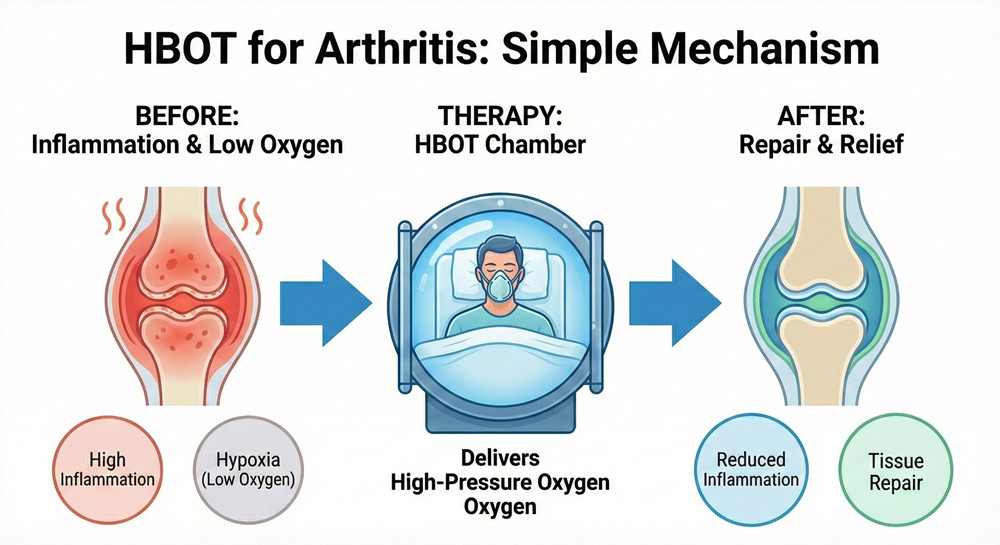
Hyperbaric Oxygen Therapy (HBOT) addresses arthritis by down-regulating inflammatory cytokines and increasing plasma oxygen saturation to repair hypoxic tissues.
Arthritis, whether Osteoarthritis (OA) or Rheumatoid Arthritis (RA), is fundamentally characterized by inflammation and hypoxia (lack of oxygen) in the joint tissues. Clinical studies suggest that mHBOT (mild hyperbaric oxygen therapy) creates a physiological environment that suppresses the expression of HIF-1α (Hypoxia-Inducible Factor) and reduces levels of TNF-α, a primary inflammatory marker. By delivering oxygen under pressure (1.3 ATA to 1.5 ATA), we bypass restricted capillaries in swollen joints, delivering oxygen directly through plasma to stimulate cellular repair and alleviate pain.
Why OXYAIR Hyperbaric Chamber Matters for Arthritis Protocols
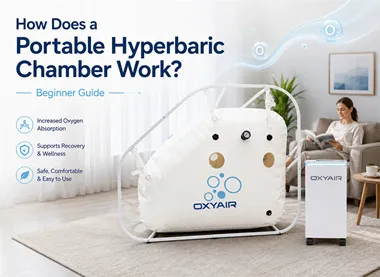
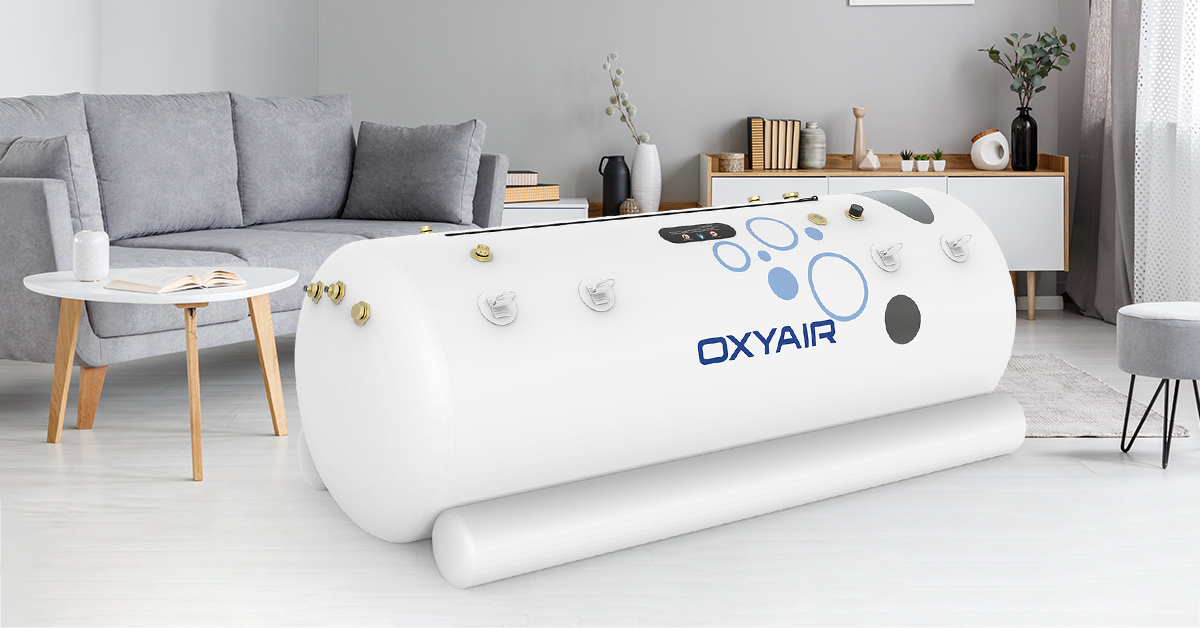
For chronic conditions like arthritis requiring daily sessions, OXYAIR soft shell hyperbaric chambers use TPU material. The durability of Thermoplastic Polyurethane (TPU) ensures zero-leakage performance compared to PVC alternatives.
Treating chronic inflammation is a marathon, not a sprint. Patients or clinics managing arthritis protocols often run chambers for 60-90 minutes daily. Standard PVC chambers often degrade under this stress, leading to micro-leaks that cause pressure fluctuations—rendering the therapy less effective. At Olive Oxygen, we utilize distinct, eco-friendly TPU combined with high-frequency heat sealing (no glue). This results in a chamber that maintains precise atmospheric pressure, ensuring that the therapeutic dosage of oxygen is consistent over thousands of cycles.
Pressure Consistency and Therapeutic Outcomes
Maintaining a stable pressure plateau is critical for the anti-inflammatory response; fluctuations can trigger barotrauma or reduce oxygen uptake.
In an industrial context, "pressure stability" is the key performance indicator. If a chamber fluctuates between 1.2 and 1.3 ATA due to material expansion or weak welding, the physiological benefits are compromised. Our seamless welding technology ensures that the chamber acts as a rigid vessel once pressurized, maintaining the optimal "therapeutic window" necessary to reduce joint edema.
Comparison: Medical Grade TPU vs. Standard PVC
| Feature | Olive Oxygen (TPU + Heat Seal) | Generic PVC (Glue Bond) |
|---|---|---|
| Lifespan for Daily Use | 5-7+ Years (High Durability) | 1-2 Years (Prone to cracking) |
| Off-gassing (VOCs) | Zero (Hypoallergenic) | High (Plastic smell triggers sensitivity) |
| Pressure Stability | Constant (Rigid structure) | Fluctuates (Material stretches) |
| Cleaning/Sanitization | Resistant to alcohol/detergents | Degrades with harsh chemicals |
Frequently Asked Questions (Technical)
What acts as the primary mechanism for HBOT in treating Rheumatoid Arthritis?
The primary mechanism is the suppression of inflammatory cytokines, specifically TNF-alpha and Interleukins, while simultaneously enhancing fibroblast activity to repair damaged cartilage through hyper-oxygenation.
Is 1.3 ATA sufficient for arthritis management, or is 2.0 ATA required?
While hard-shell chambers (2.0 ATA+) are used for acute wounds, studies indicate that 1.3 ATA to 1.5 ATA (soft shell parameters) is sufficient for managing chronic inflammation and systemic pain.
Does the TPU material affect the O2 concentration inside the chamber?
Indirectly, yes. TPU does not stretch under pressure, meaning the seal remains tight. This prevents oxygen leakage, ensuring the user actually receives the intended 90%+ oxygen concentration via the headset.
Can patients with metal joint implants use HBOT?
Yes, HBOT is safe for patients with titanium or steel implants. In fact, it can aid in the osseointegration process and reduce post-surgical inflammation around the implant site.
What is the recommended duty cycle for an Olive Oxygen chamber in a clinic?
Our chambers are rated for continuous industrial use. Thanks to our water-cooling compressors and TPU durability, they can run 8-10 hours a day without overheating or material fatigue.
Conclusion
Treating arthritis effectively requires precision. An Olive Oxygen chamber isn't just a vessel; it's a calibrated medical-grade instrument designed to deliver consistent results.
Ready to upgrade your clinical equipment or manufacturing specs? Contact our engineering team today for a technical spec sheet and B2B pricing.