
Soft vs Hard Hyperbaric Chambers:Which Engineering Solution Fits Your Business Model?
Soft vs Hard Hyperbaric Chambers: A Technical Engineering & ROI Breakdown
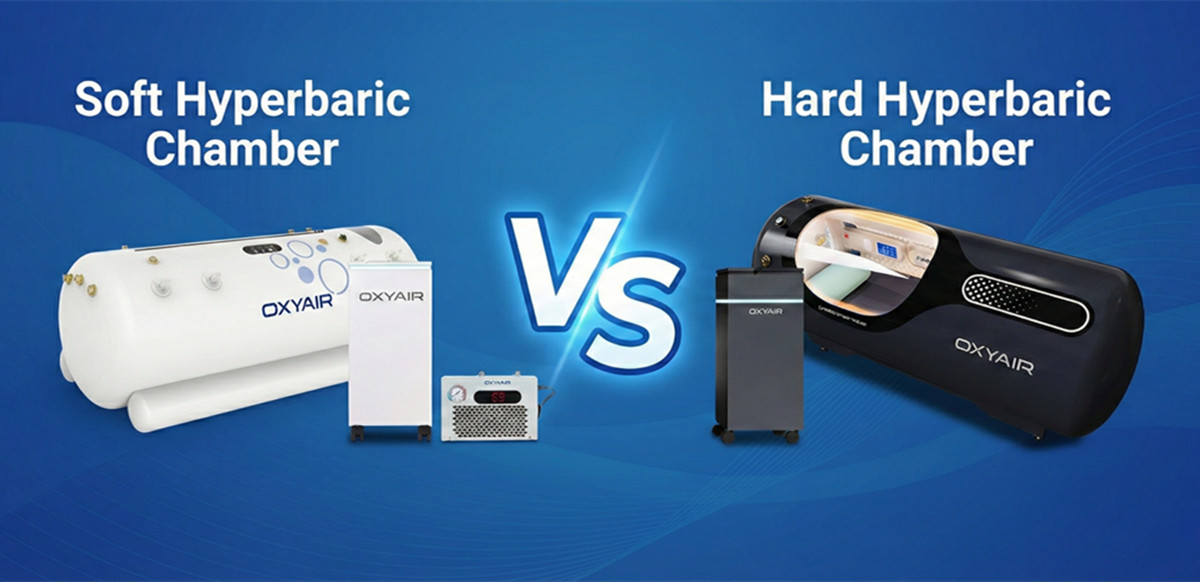
In the rapidly expanding hyperbaric oxygen therapy market, the debate often lands on one critical manufacturing decision: Soft vs Hard Hyperbaric Chambers. For distributors and clinical facility managers, this isn't just about aesthetics; it is about pressure physics, material tensile strength, and long-term operational costs. At Olive Oxygen, we dissect the engineering differences to ensure your equipment meets the rigorous demands of your market sector.
The Physics of Pressure: 1.3 ATA vs. 1.5+ ATA
The defining technical difference between soft and hard chambers lies in their maximum pressurization capability, which directly dictates clinical efficacy.
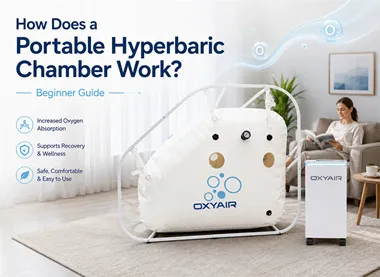
Soft chambers (mild HBOT) are typically engineered to withstand pressures up to 1.3 ATA (Atmospheres Absolute). This limit is dictated by the tensile strength of the flexible heavy-duty TPU or nylon materials used. While effective for sports recovery and mild wellness, they cannot physically sustain higher pressures without risking seam failure or material deformation.
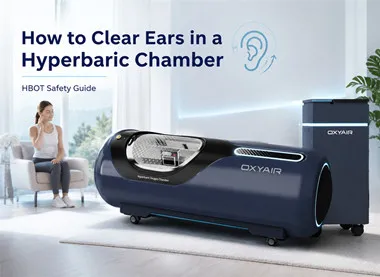
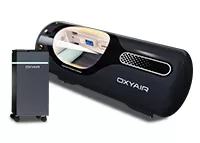
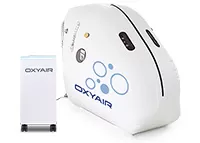
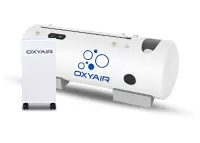
Conversely, hard shell chambers represent the heavy lifters of the industry. Constructed from rigid materials like medical-grade stainless steel or high-clarity acrylic, these units can safely achieve pressures ranging from 1.5 ATA to 3.0 ATA. For clinics treating specific medical indications requiring higher oxygen saturation levels in blood plasma, the hard shell architecture is the only viable engineering solution.
Material Engineering: TPU Composites vs. Stainless Steel
When we manufacture chambers at Olive Oxygen, the choice of material dictates the unit's lifespan and maintenance profile.
Soft Shell Engineering: We utilize Radio Frequency (RF) welding on high-grade TPU (Thermoplastic Polyurethane). This creates a hermetic seal that is durable yet pliable. However, soft shells are susceptible to zipper fatigue and punctures over extended commercial use.
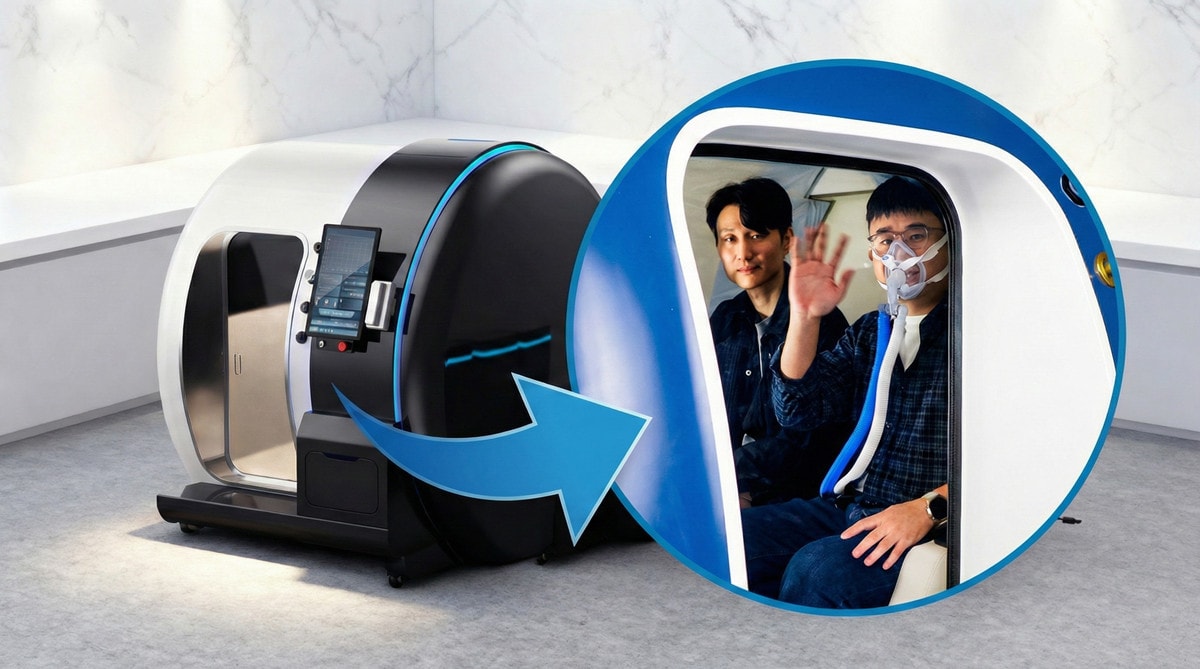
Hard Shell Engineering: We use rigid metals or acrylics. These materials offer zero elasticity, meaning the internal volume remains constant regardless of pressure. This rigidity allows for the integration of advanced features like pass-through locks, entertainment systems, and sophisticated air conditioning units that soft shells simply cannot support.
Technical Specification Comparison Table
For distributors looking to stock the right inventory, here is a side-by-side technical breakdown of our manufacturing standards.
| Feature | Soft Chamber (Portable) | Hard Chamber (Rigid) |
|---|---|---|
| Max Pressure (ATA) | 1.3 ATA - 1.5 ATA | 1.5 ATA - 2.0 ATA |
| Material Composition | Double-layer TPU / Nylon | Stainless Steel / Polycarbonate |
| Oxygen Concentration | ±93% (Wearing an oxygen mask) | Up to 93% (w/ BIBS mask) |
| Commercial Lifecycle | 8 Years | 10 - 15+ Years |
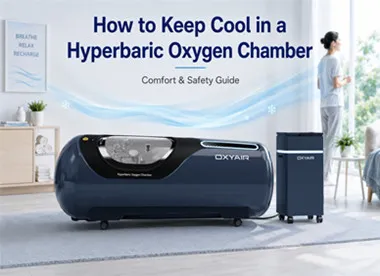
| Cooling System | External Cooler (limited efficiency) | Internal AC Integration (High) |
Commercial ROI and Durability
For commercial facilities, the hard shell hyperbaric chamber offers a superior long-term Return on Investment (ROI) due to lower replacement frequency and higher billable service capability.
While the upfront capital expenditure for a hard shell system is higher, the "cost-per-session" drops significantly over a 10-year horizon. Hard shells are built like tanks; they resist the wear and tear of high-volume patient turnover. Soft shells, while excellent for mobile clinics or home rentals, may require zipper or seal maintenance after 2,000 to 3,000 cycles. Furthermore, the ability to offer 1.5+ ATA treatments allows clinics to market to a wider demographic of patients seeking deeper tissue saturation.
Frequently Asked Questions
Can a soft chamber ever reach 2.0 ATA safely?
No, generally soft chambers are capped at 1.3 to 1.4 ATA. The material physics of flexible TPU cannot withstand the tensile stress of 2.0 ATA without risking catastrophic structural failure. High pressure requires rigid steel or acrylic construction.
Which chamber type is easier to install for a new clinic?
Soft chambers are significantly easier to install as they are lightweight and can be folded. Hard chambers often require professional installation teams, wider door frames, and occasionally specialized flooring to support the weight.
What is the lifespan difference between hard and soft HBOT units?
A well-maintained hard shell chamber can last over 15 years in a clinical setting. Soft shell chambers typically have a lifespan of 3 to 5 years under regular commercial use before components like zippers or seams need attention.
Is the oxygen delivery method different?
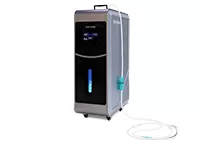
Yes. Soft chambers usually utilize an ambient air compressor with an oxygen concentrator via a nasal cannula. Hard chambers can utilize BIBS (Built-in Breathing Systems) to deliver 100% medical-grade oxygen via a mask, ensuring zero dilution.
Which is better for B2B rental models?
Soft chambers are the industry standard for rental models due to their portability and lower liability threshold. Hard chambers are almost exclusively sold for permanent installation.
Final Verdict
Choosing between soft and hard chambers isn't a matter of preference—it's a matter of engineering requirements and business models. If your focus is portability and entry-level wellness, Olive Oxygen’s soft series delivers premium durability. However, for medical-grade efficacy and commercial longevity, our hard shell series is the definitive choice.
Ready to equip your facility? Contact our engineering team today for a custom quote on our ISO-certified manufacturing solutions.