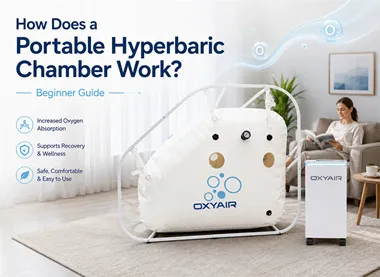

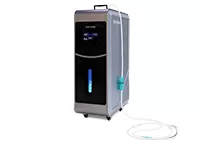

How Does a Hyperbaric Chamber Heal Wounds? Understanding the Oxygen Therapy Advantage
When you’re facing a wound that just won’t heal—be it a chronic ulcer, a diabetic foot lesion, a burn injury, or a deep pressure sore—the frustration is real. Changing dressings, taking antibiotics, controlling infections… you may have done it all and still see little progress. That’s when your doctor might suggest trying a hyperbaric oxygen chamber. But how exactly does this “tank-like” equipment help stubborn wounds finally close up?
The simple version: it’s not about “sewing things back” directly. Rather, it’s about changing the wound’s healing environment—by increasing pressure and boosting oxygen delivery—to re-activate your body’s own repair systems. Below we break down the scientific logic, the real-world results, and what you should know if you’re considering this therapy.
1. Why Do Some Wounds Refuse to Heal? Because They’re Starving for Oxygen.
Imagine building a house—but the electricity is out and the delivery trucks cannot enter. That’s what happens at a wound that won’t heal. The three essentials for healing are: workers (repair cells), building materials (nutrients), and power (oxygen). When a wound area becomes deprived of oxygen (hypoxic), things stall.
Blocked or narrowed blood vessels prevent oxygen and nutrients from reaching the wound bed. Repair fibroblasts and epithelial cells remain inactive.
The low-oxygen environment encourages anaerobic bacteria to thrive, which promotes infection, swelling, and further vessel damage—a vicious cycle of “infection → hypoxia → stalled healing.”
This is where a hyperbaric chamber comes into play: by elevating ambient pressure and delivering high-concentration oxygen, the wound bed gets the fuel it lacks.
2. The 4 Key Mechanisms: What Happens in the Chamber
When you step into a hyperbaric chamber (typically operated at 1.5–2.0 ATA or higher) and breathe high-concentration oxygen (via mask or tube), several healing processes are triggered.
a) Re-energize repair cells
With extra dissolved oxygen in plasma, even tissues with poor blood supply start getting fuel. This boosts fibroblasts and keratinocytes (skin-repair cells) to build granulation tissue and new skin.
b) Grow new blood vessels (angiogenesis)
Oxygen under pressure stimulates growth factors like VEGF, prompting new capillary networks around the wound. These vessels deliver oxygen and nutrients for the long term, not just during the session.
c) Fight infection & clear inflammation
High oxygen levels help immune cells function better and hamper anaerobic bacteria. The result? Less infection, less edema, a cleaner healing environment.
d) Reduce swelling and restore flow
Edema (tissue swelling) chokes off vessels. By increasing pressure and oxygen delivery, hyperbaric therapy reduces tissue fluid, improves flow, and allows the healing process to resume.

3. Which Types of Wounds See the Best Effect?
Diabetic foot ulcers: HBOT has shown clear benefit in improving oxygen flow and promoting closure.
Burns and deep skin injuries: Helps reduce swelling, prevent scarring, and speed tissue regeneration.
Pressure ulcers (bedsores): Oxygen-starved areas in immobile patients often respond well to HBOT.
Surgical wounds that won’t close: When standard care stalls, adding pressurized oxygen may restart healing.
4. What to Expect: Typical Treatment Details
Pressure level: Typically 1.5–2.0 ATA for wound healing settings.
Session time: 60–90 minutes per treatment.
Frequency: Usually 5 sessions per week for several weeks, depending on wound severity.
Precautions: You may feel ear-pressure (like airplane take-off). If you have untreated pneumothorax, HBOT may not be safe.
5. Choosing to Try It: What You Should Know
Has standard wound care been tried? HBOT works best when combined with debridement, infection control, and good nutrition.
Is the facility certified? Look for Undersea & Hyperbaric Medical Society standards.
Will this be an adjunct therapy? HBOT complements—not replaces—traditional wound care.
What are the costs? HBOT can be time-consuming and costly; weigh the benefits versus effort.
6. Bottom Line: Not Magic, But a Powerful Support Tool
While a hyperbaric chamber isn’t a magic “heal instantly” device, it’s a highly effective support tool for chronic wounds. By delivering oxygen, promoting vessel growth, reducing infection risk, and restoring blood flow, HBOT helps your body finish the job.
Ready to Explore HBOT for Wound Recovery?
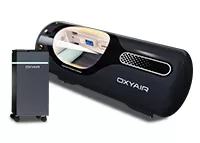
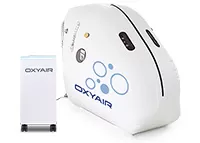
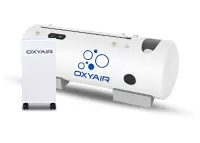
OXYAIR offers advanced hyperbaric oxygen chambers for both clinical and home use, featuring 1.3–2.0 ATA pressure options, intelligent safety controls, and ergonomic comfort. Contact us today to learn how HBOT can support your wound healing journey.