



What Does a Hyperbaric Chamber Do?
What Does a Hyperbaric Chamber Do? A Technical Analysis of HBOT Mechanics
Table of Contents
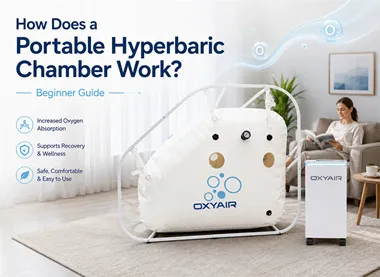
At its most fundamental level, a hyperbaric chamber functions as a pressurized vessel designed to increase the atmospheric pressure surrounding a patient. For medical professionals and distributors, understanding what a hyperbaric chamber does requires looking beyond simple oxygen inhalation. It involves the precise application of Henry’s Law to dissolve oxygen directly into the blood plasma, bypassing the limitations of hemoglobin transport. This article explores the technical mechanisms and physiological impacts of high-quality HBOT systems.
The Core Mechanism: Pressure and Solubility
A hyperbaric chamber creates an environment where atmospheric pressure is increased to levels higher than sea level (typically 1.3 ATA to 3.0 ATA). This process triggers specific physical laws that alter how the body absorbs oxygen.
Henry’s Law Application: By increasing ambient pressure, the chamber forces gas (oxygen) to dissolve into liquid (blood plasma, lymph, and cerebrospinal fluid) at a much higher rate than under normal atmospheric conditions.
Hemoglobin Independence: Under normal conditions, red blood cells are 97% saturated. HBOT allows oxygen to reach tissues that have restricted blood flow by traveling through plasma, ensuring tissue oxygenation even in cases of vascular compromise.
Volume Reduction: Following Boyle's Law, the increased pressure reduces the volume of gas bubbles in the bloodstream, which is critical for treating decompression sickness and arterial gas embolisms.
Physiological Responses to HBOT
From a clinical perspective, what a hyperbaric chamber does is initiate a cascade of healing processes. Advanced manufacturing ensures that Olive Oxygen chambers maintain stable pressures to maximize these biological effects.
Angiogenesis Stimulation: Hyperbaric exposure stimulates the release of growth factors and stem cells, promoting the formation of new blood vessels (angiogenesis) to support wound healing.
Anti-Inflammatory Action: High oxygen levels cause vasoconstriction (reducing edema and swelling) while simultaneously hyper-oxygenating the tissue, effectively breaking the cycle of inflammation.
Bactericidal Effect: The chamber creates an environment that is toxic to anaerobic bacteria and enhances the ability of white blood cells to kill pathogens.
Chamber Types: Hard vs. Soft Shell Performance
When selecting inventory for a clinic or distribution network, distinguishing between chamber types is vital.
| Feature | Soft Shell (Mild HBOT) | Hard Shell (Clinical HBOT) |
|---|---|---|
| Pressure Range | Typically 1.3 ATA - 1.5 ATA | 1.5 ATA - 3.0 ATA+ |
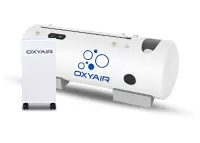
| Material Durability | TPU/Nylon composite | Medical-grade Stainless Steel/Acrylic |
| Primary Use | Wellness, Sports Recovery, Home Use | Hospital treatment, Wound Care |
Frequently Asked Questions
What is the optimal pressure for a hyperbaric chamber?
For general wellness and mild inflammation, 1.3 ATA to 1.5 ATA is effective. For treating diabetic wounds, carbon monoxide poisoning, or radiation necrosis, clinical guidelines typically require pressures between 2.0 ATA and 3.0 ATA using pure oxygen.
How does a chamber generate pressure?
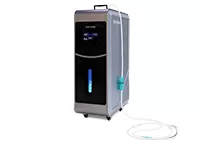
The chamber is connected to a medical-grade air compressor that pumps filtered air into the sealed vessel. Olive Oxygen systems utilize oil-free compressors to ensure air purity and consistent pressurization rates.
Understanding what a hyperbaric chamber does at a technical level is the first step in choosing the right equipment for your medical facility or distribution catalog.
Looking for technical specifications or OEM opportunities? Contact the Olive Oxygen engineering team today for a detailed product catalog.