
How to Clean a Hyperbaric Chamber: A Practical Guide for Home and Commercial Users
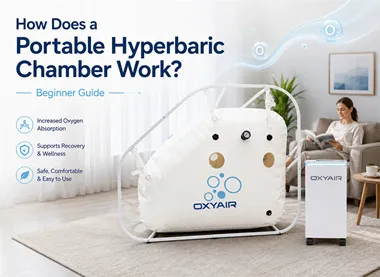
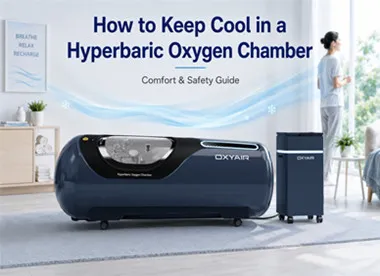
Cleaning a hyperbaric chamber is not the same as wiping down a regular wellness device. A chamber is a pressurized system with soft or acrylic surfaces, valves, seals, oxygen accessories, air hoses, and supporting equipment. The right cleaning routine helps protect the chamber material, improve user comfort, reduce odor, and support safer daily operation.
This guide is written for wellness centers, clinics, recovery studios, spas, distributors, and home users who want a clear and practical way to clean and maintain a hyperbaric chamber.
1. Cleaning vs. Disinfection vs. Maintenance
Before choosing a cleaner, it is important to separate three ideas: cleaning, disinfection, and maintenance. They are related, but they are not the same.
Cleaning removes visible dirt, sweat, skin flakes, dust, moisture, and residue from the chamber surface.
Disinfection reduces germs on surfaces after cleaning. The disinfectant must be compatible with the chamber material.
Maintenance means checking the chamber, valves, seals, gauges, hoses, filters, compressor, oxygen concentrator, and accessories.
For daily use, cleaning is usually the first step. For shared-use environments such as clinics, wellness centers, spas, and recovery facilities, disinfection becomes more important because different users may contact the same surfaces.
Important: Always follow the manufacturer’s instructions for use. A cleaner that is safe for one chamber material may not be safe for another chamber.
| Term | Main Purpose | When It Is Needed |
|---|---|---|
| Cleaning | Remove dirt, sweat, dust, moisture, and residue. | After each session or whenever the chamber looks or feels dirty. |
| Disinfection | Reduce germs on shared surfaces. | Between users, after illness, or when the chamber is used in a commercial facility. |
| Maintenance | Keep the chamber system operating properly. | Daily visual checks, weekly cleaning checks, and scheduled filter or parts replacement. |
2. Before You Clean: Safety Rules Every Facility Should Follow
A hyperbaric chamber operates under pressure and may be used with high-concentration oxygen. Because of this, cleaning should be done carefully. Do not rush the process, and do not use random household cleaners inside the chamber.
Fully depressurize the chamber first. Never clean the chamber while it is pressurized.
Turn off the system. Switch off the air compressor, oxygen concentrator, cold dryer, and power supply before cleaning.
Remove loose accessories. Take out pillows, mattress covers, towels, liners, oxygen masks, and tubing.
Do not spray liquid into valves or electronics. Keep moisture away from control panels, pressure gauges, air inlets, oxygen ports, and electrical parts.
Avoid strong vapors and oily residue. Alcohol, solvents, essential oils, perfume cleaners, and oil-based products are not suitable for routine chamber cleaning.
Let the chamber dry completely. Closing a damp chamber can lead to odor, moisture buildup, or mildew-like smells.
Fire safety reminder: Oxygen-rich environments require extra caution. Avoid flammable cleaners, alcohol vapors, aerosol sprays, and oil-based products unless the manufacturer specifically approves them.
3. How to Clean a Soft Hyperbaric Chamber
Soft hyperbaric chambers are commonly used in home wellness, recovery, and some commercial settings. These chambers may use TPU, PVC-coated fabric, nylon-reinforced materials, transparent windows, zippers, valves, and soft seals. Gentle cleaning is usually the safest approach.
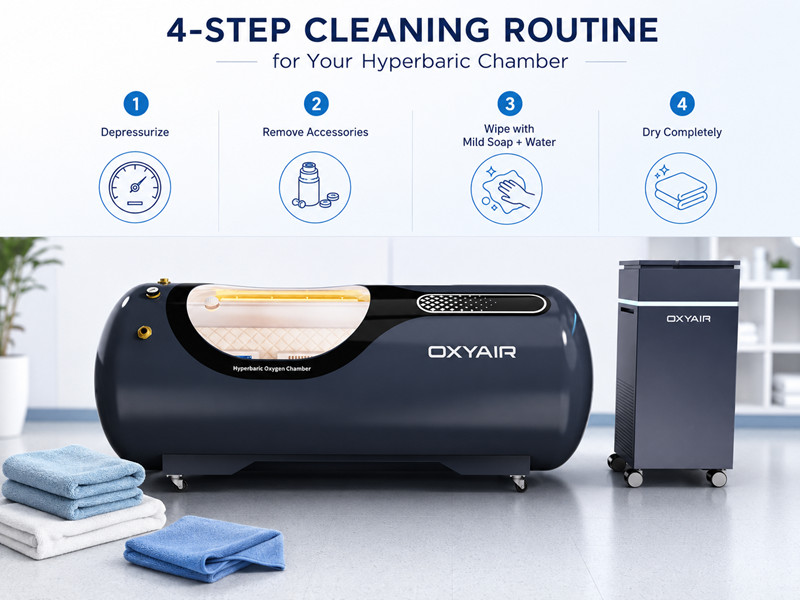
Step 1: Depressurize and Open the Chamber
Make sure the chamber is fully depressurized before opening the zipper or door. Once opened, allow fresh air to circulate inside for a few minutes.
Step 2: Remove Accessories
Take out the mattress, pillow, towel, blanket, disposable liner, oxygen mask, nasal cannula, and tubing. In a commercial setting, user-contact accessories should be cleaned, disinfected, replaced, or assigned to a specific user according to your internal hygiene process.
Step 3: Wipe the Interior Surface
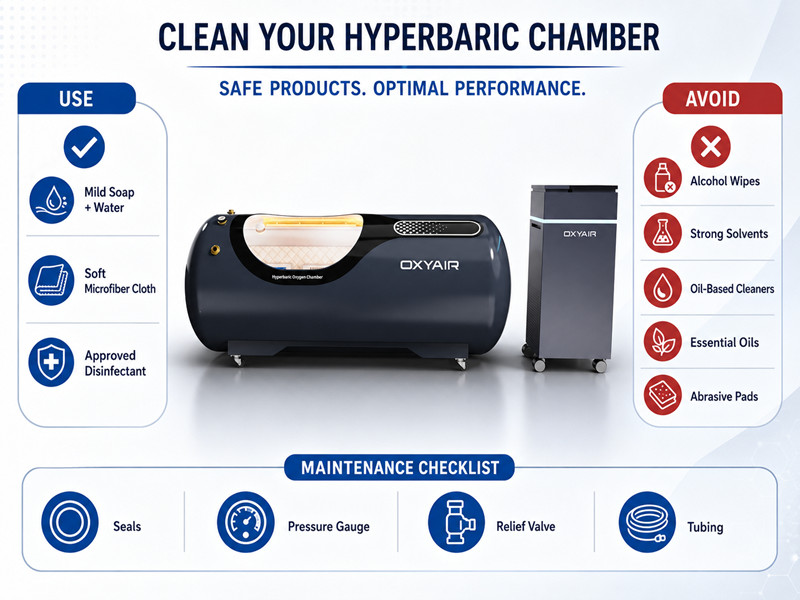
Use a soft microfiber cloth with mild soap and clean water. Wipe the areas where the user’s body, clothing, hands, or feet may touch. Do not use abrasive pads or stiff brushes, especially on the transparent window area.
Step 4: Wipe Again With Clean Water
After cleaning, use a clean damp cloth to remove soap residue. This step matters because leftover cleaner may create odor, irritation, or material stress over time.
Step 5: Dry Before the Next Session
Use a dry towel first, then leave the chamber open until the surface is fully dry. Do not fold or store a soft chamber while it is damp.
4. How to Clean a Hard Shell or Acrylic Hyperbaric Chamber
Hard shell hyperbaric chambers often include acrylic windows or acrylic cylinders. Acrylic needs special care because harsh chemicals can cause clouding, cracking, or surface damage. Alcohol-based cleaners are a common mistake because many people assume they are always safe for medical or wellness equipment.
For acrylic chamber surfaces, use a soft lint-free cloth and a cleaner approved by the chamber manufacturer. Avoid alcohol, ammonia, strong solvents, abrasive pads, and rough towels. Do not let water pool inside the chamber or run into air ports, oxygen ports, rails, or electronic areas.
| Area | Recommended Cleaning Method | What to Avoid |
|---|---|---|
| Acrylic window or cylinder | Soft lint-free cloth and manufacturer-approved cleaner. | Alcohol, ammonia, rough towels, abrasive pads, strong solvents. |
| Mattress or bed platform | Wipe after each user and disinfect if shared. | Soaking, heavy spraying, strong chemical residue. |
| Control panel | Use a slightly damp cloth. Wipe gently. | Direct spray, dripping cloth, harsh cleaner. |
| Door seal or gasket | Gently wipe and inspect for cracks or deformation. | Oil-based cleaner, pulling, scraping, or sharp tools. |
5. Which Cleaning Products Can You Use?
The safest answer is: use the cleaner recommended in your chamber manual. If the manual does not specify a disinfectant, contact the supplier before using a strong product.
Mild Soap and Water
For routine cleaning, mild soap and clean water are usually the best starting point. This helps remove sweat, dust, and surface residue without exposing the chamber material to aggressive chemicals.
Manufacturer-Approved Disinfectants
For commercial use, especially in a spa, clinic, wellness center, or recovery studio, a disinfectant may be needed between users. The disinfectant should be compatible with the chamber surface, the mattress material, and oxygen accessories.
Hydrogen Peroxide
Some chamber manuals may allow diluted hydrogen peroxide for certain soft chamber surfaces. However, this should not be treated as a universal rule. Always check your model-specific instructions.
Bleach
Bleach is not a universal recommendation. Use bleach only if the chamber manufacturer confirms the concentration, contact time, rinsing process, and material compatibility.
Do not assume “hospital-grade” means “chamber-safe.” A disinfectant may kill germs effectively but still damage acrylic, soft shell fabric, windows, seals, or zippers.
6. What Should You Never Use Inside a Hyperbaric Chamber?
Many common household products are not suitable for chamber cleaning. The main concern is not only hygiene. Material compatibility and oxygen safety are also important.
| Product to Avoid | Why It Can Be a Problem |
|---|---|
| Alcohol wipes or alcohol spray | May damage acrylic or soft materials and may create flammable vapor concerns. |
| Strong solvents | May weaken plastic, fabric coating, windows, seals, or adhesive layers. |
| Oil-based cleaners | Can leave residue and are not suitable for oxygen-related environments. |
| Essential oils | Can leave oily residue and strong scent inside the chamber. |
| Perfume cleaners or air fresheners | May irritate users and only cover odor instead of removing the cause. |
| Abrasive pads or stiff brushes | Can scratch windows, acrylic surfaces, and coated materials. |
7. Common Cleaning Mistakes That Can Damage a Hyperbaric Chamber
Using alcohol wipes on acrylic surfaces. Alcohol may damage acrylic and is not ideal around oxygen-related equipment.
Using bleach without approval. Bleach may be useful in some specific disinfection protocols, but it can damage some chamber materials.
Closing the chamber while damp. Moisture can lead to odor and uncomfortable user experience.
Spraying cleaner directly into valves or gauges. Liquid can enter areas that should stay dry.
Only cleaning the chamber body. Masks, tubing, pillows, and mattress covers also need attention.
Ignoring filters and supporting equipment. The compressor, oxygen concentrator, and filters are part of the full user experience.
Repairing leaks with tape or sealant. If you suspect a leak, stop using the chamber and contact the supplier.
8. FAQ: Hyperbaric Chamber Cleaning
How often should a hyperbaric chamber be cleaned?
For commercial use, clean user-contact surfaces after each session and disinfect between different users when required by your facility protocol. For home use, wipe down sweat, moisture, and high-touch areas after each use.
Can I use alcohol wipes in a hyperbaric chamber?
Usually, no. Alcohol can damage some chamber materials, especially acrylic surfaces, and it may create vapor concerns around oxygen-related equipment. Use only manufacturer-approved cleaning products.
Can I use bleach to clean a hyperbaric chamber?
Only if the manufacturer confirms it is compatible with your chamber material and provides clear instructions for dilution, contact time, rinsing, and drying. Do not use bleach as a general cleaner for all chambers.
How do I remove odor from a chamber?
Remove all soft items, wipe contact surfaces with mild soap and water, wipe again with clean water, and let the chamber air dry completely. Do not use perfume, essential oils, or air fresheners to cover the smell.
Should oxygen tubing be cleaned or replaced?
Follow the tubing manufacturer’s instructions. In many cases, tubing is easier and safer to replace when it becomes dirty, yellow, stiff, cracked, or smelly. Shared-use environments should avoid casual sharing of breathing accessories.
Need a Hyperbaric Chamber Solution for Your Business?
Olive Oxygen provides hyperbaric chamber solutions for wellness centers, clinics, recovery studios, distributors, and home wellness projects. Contact us for product options, operation guidance, accessory support, and global delivery planning.
Contact Olive Oxygen