



Sitting vs. Lying Hyperbaric Chambers: Which Design Fits Your Business?
For a clinic, wellness center, gym, or recovery studio, chamber position is only one part of the decision. Capacity, layout, privacy, scheduling, installed cost, and paid occupancy shape the business case.
1. Sitting, Lying, Monoplace, and Multiplace Are Not the Same
Sitting and lying describe position. Monoplace and multiplace describe capacity. Either position may have different capacities. Also compare pressure, oxygen delivery, access, controls, and rated occupancy. Position alone does not establish effectiveness.
2. Compare the Revenue Model Before the Shell Shape
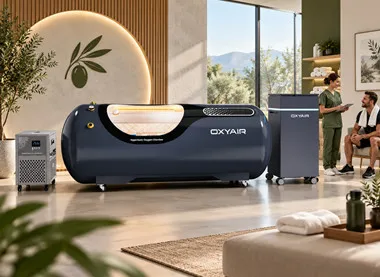
Two-Seat Sitting Model
Can serve two users per cycle.
May suit shared programs.
Both users share one pressure cycle.
Single-User Lying Model
Usually serves one user per cycle.
Supports private positioning.
Allows independent scheduling.
A two-seat chamber adds theoretical capacity, not guaranteed income. Track average paying users per cycle.
3. Calculate ROI With Occupancy, Not Seat Count
A basic planning model is:
Payback period = total installed investment ÷ annual contribution
Include supporting equipment, freight, import costs, installation, facility work, and training. Operating costs may include electricity, oxygen, masks, cleaning, labor, maintenance, insurance, and marketing.
A simple break-even example
Assume a private lying session is $100 and a shared sitting session is $80 per user. These are examples, not recommended prices.
| Average Paying Users in a Two-Seat Cycle | Cycle Revenue |
|---|---|
| 1.0 | $80 |
| 1.25 | $100 |
| 1.5 | $120 |
| 2.0 | $160 |
Here, the sitting chamber must average over 1.25 users to exceed private-session revenue before cost differences. Use local pricing, demand, cancellation, and cost data.
4. Compare the Complete Installation Footprint
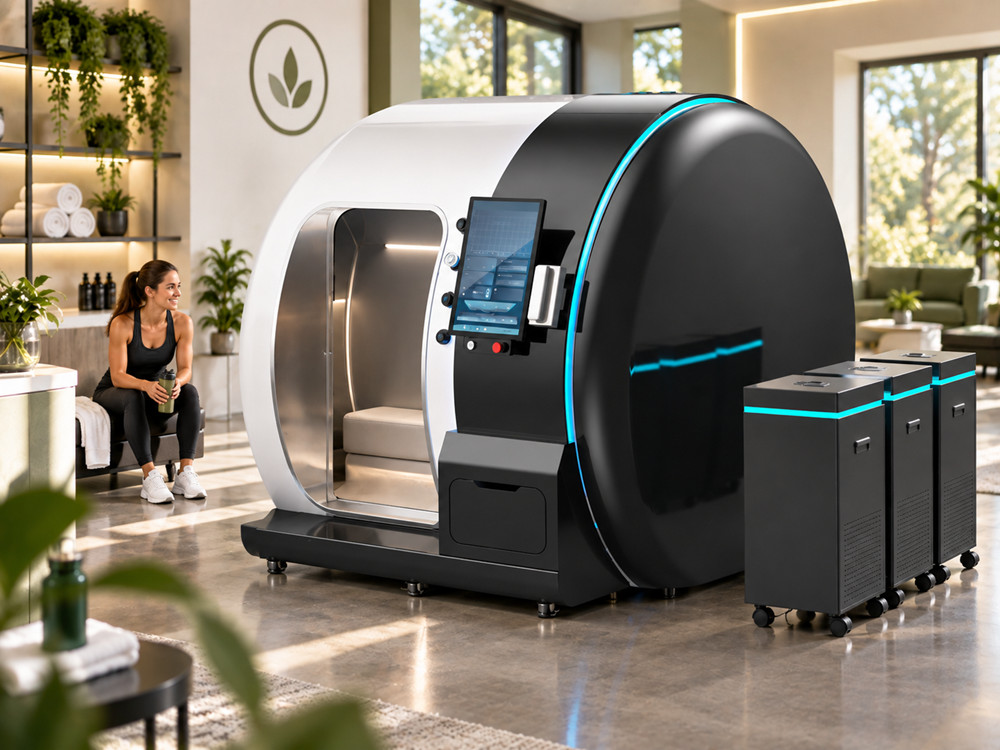
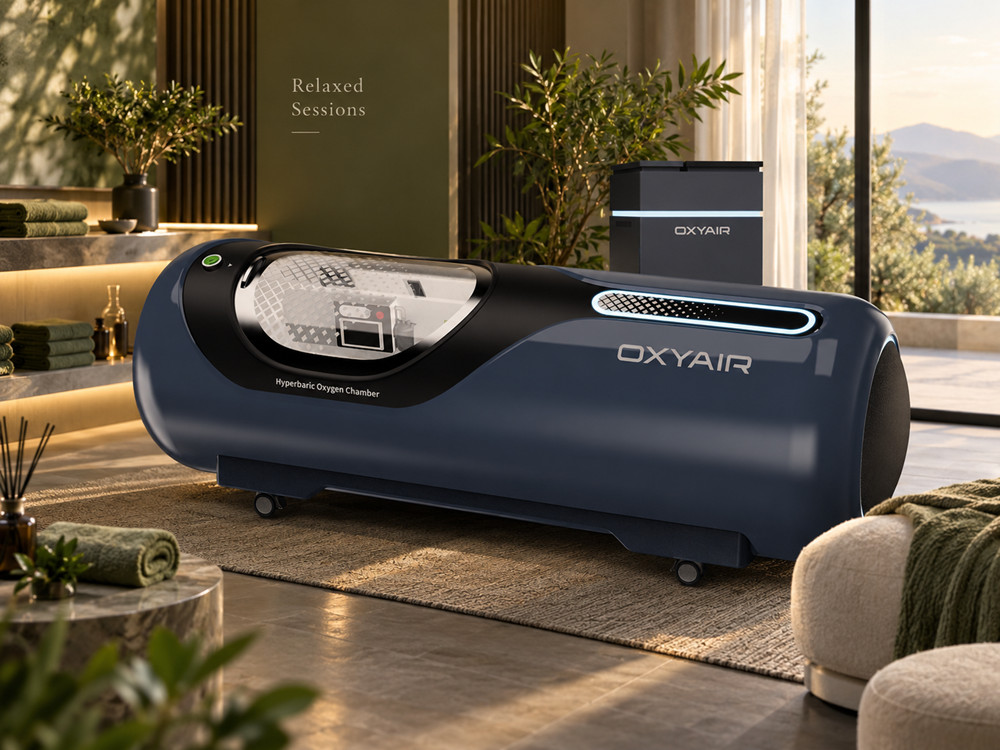
A vertical model may use less room length, but a two-seat sitting chamber generally needs more width and height. A lying chamber is often longer and narrower. “Sitting saves space” is not a reliable rule.
Request a scaled layout including:
External dimensions and door swing
Compressor, oxygen equipment, and cooling
Operating and service clearance
Delivery route, ventilation, and utilities
Compare capacity per installed area—not chamber length alone. See OXYAIR's sitting chamber and lying chamber.
5. Comfort Can Affect Utilization and Pricing
| Factor | Sitting Design | Lying Design |
|---|---|---|
| Typical activity | Reading, viewing a screen, or talking | Resting, relaxing, or sleeping |
| Privacy | May be shared in a two-seat model | Often private in a single-user model |
| Fit to check | Seat angle, headroom, and legroom | Diameter, mattress, and shoulder room |
| Scheduling | Shared sessions require aligned timing | Independent appointments are simpler |
Entry, windows, lighting, communication, temperature, padding, and user dimensions can matter as much as posture. Neither position is proven to improve oxygen absorption.
6. Which Business Models May Fit Each Design?
Sitting May Fit
Sports centers and gyms
Membership wellness clubs
Consistent shared-session demand
Lying May Fit
Premium private programs
Spas and wellness centers
Mostly individual bookings
7. Commercial Buyer Checklist
| Area | What to Confirm |
|---|---|
| Capacity | Rated occupancy, user limits, and realistic bookings per cycle |
| Cycle | Pressurization, session, depressurization, and cleaning time |
| Gas delivery | Air supply, oxygen source, mask or BIBS, exhaust, and monitoring |
| Facility | Complete footprint, utilities, ventilation, access, and floor loading |
| Operations | Training, staffing, consumables, maintenance, and spare parts |
| Compliance | Exact model documentation and local installation/use requirements |
8. Frequently Asked Questions
Does a two-person chamber automatically generate more revenue?
No. Revenue depends on average paid occupancy, price per user, cycle availability, and costs.
Does a sitting chamber always need less floor space?
No. It may need less length, while a two-seat model may need more width and height. Compare the complete installed layout.
Can two users choose different pressures?
Users in one compartment generally share the same pressure cycle. Confirm the system instructions.
Which design provides better results?
Evidence does not establish a universal advantage based only on sitting or lying. Pressure, breathing gas, duration, and device design are separate factors.
Plan the Right Commercial Configuration
Share your room dimensions, expected daily bookings, preferred capacity, and target market.
Request a ConfigurationReferences
U.S. FDA: Safe Use of HBOT Devices · PubMed: Hyperbaric Chamber Design